
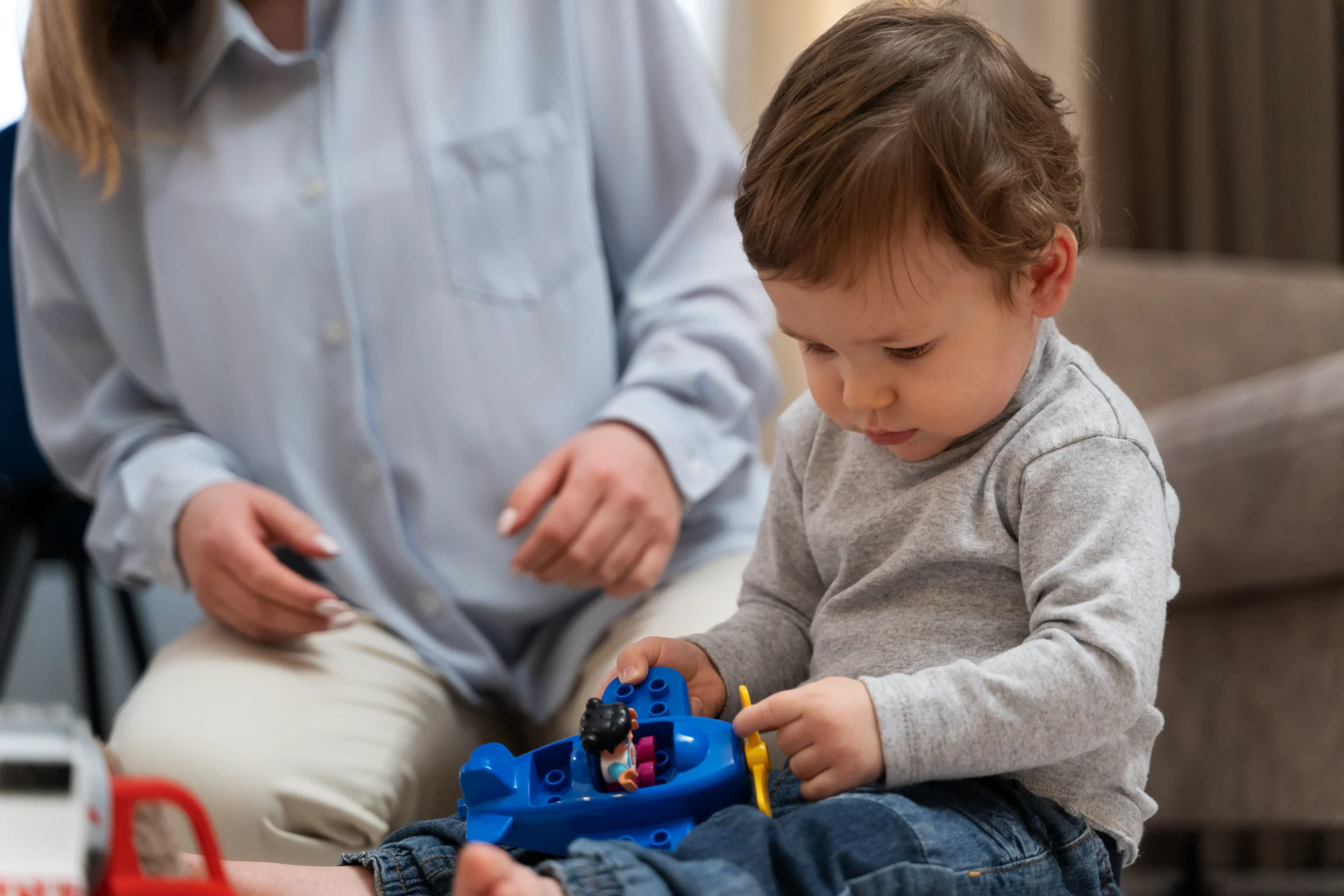
Understanding ABA Therapy
Applied Behavior Analysis (ABA) therapy is a scientific approach that focuses on understanding and improving specific behaviors while fostering overall development in children with developmental disorders. The objectives of ABA therapy are to enhance communication skills, reduce maladaptive behaviors, and promote social interactions. The therapy is based on the principles of behaviorism, which posits that behaviors can be learned or unlearned through various processes, including reinforcement and motivation.
One of the key techniques utilized in ABA therapy is the use of observable and measurable behavior assessments. Therapists conduct thorough evaluations to identify target behaviors that require modification. Through these assessments, they develop tailored intervention strategies that can include positive reinforcement, prompting, and reinforcement schedules. For instance, a child might receive praise or rewards for completing a specific task or exhibiting desired behaviors, thereby encouraging repetition of these actions.
The outcomes of ABA therapy are notably varied, yet they typically include improvements in a child’s independence, social skills, and academic performance. Many children report enhanced communication abilities and a marked reduction in challenging behaviors such as tantrums or aggression. Furthermore, the structure provided by ABA therapy supports the development of self-regulation skills and increases overall quality of life for the child and family.
ABA therapy can be implemented across multiple settings, including the home, school, and community environments. This versatility allows for generalization of skills, meaning that children can apply what they learn in therapy to real-world situations. By integrating ABA practices into daily life, parents, teachers, and caregivers can work collaboratively to promote healthy development and ensure a consistent approach to behavior intervention.
The Importance of Parent Involvement in ABA Therapy
Parent involvement plays a pivotal role in the success of Applied Behavior Analysis (ABA) therapy. Research consistently shows that when parents actively participate in their child’s therapy, outcomes improve significantly. This collaboration not only reinforces the skills and strategies learned during therapy but also fosters a consistent learning environment at home. Active participation allows parents to better understand the principles of ABA and how to apply these techniques effectively.
One of the primary reasons for the positive correlation between parent involvement and improved outcomes is the concept of consistency. When parents work closely with ABA therapists, they gain insights into behavior modification techniques and strategies tailored to their child’s specific needs. By integrating these methods into daily routines, parents provide their children with continuous opportunities to practice new skills. This practical reinforcement aids in more rapid behavior change and skill acquisition.
Additionally, parents serve as critical observers of their child’s development. They can provide valuable feedback to therapists about behaviors that manifest outside of the therapy sessions. Such insights ensure that treatment plans are adjusted as needed to reflect the child’s ongoing progress and challenges. Moreover, involvement in a child’s therapy strengthens the parent-child bond, providing emotional support and encouragement that are essential for the child’s confidence and motivation.
Ultimately, the synergy between therapists and parents can catalyze greater achievement in therapy outcomes. Parental engagement is not merely supplementary; it is fundamental to the effectiveness of ABA therapy. As parents embrace their roles as active participants, they significantly contribute to their child’s journey towards improved behavioral responses and skill mastery.
Strategies for Parents to Support Their Child’s Progress
As parents navigate the journey of supporting their child’s development through Applied Behavior Analysis (ABA) therapy, implementing effective strategies can significantly enhance their child’s progress. One of the most effective methods is to integrate ABA principles into daily routines. This involves recognizing opportunities throughout the day to reinforce positive behaviors and skill acquisition. For instance, when engaging in household tasks, parents can set clear expectations and provide immediate feedback, which helps the child understand the desired behaviors.
Collaboration with ABA therapists is another crucial aspect of supporting a child’s progress. Regular communication with therapists can ensure that the strategies being employed during therapy sessions are consistent with those practiced at home. This collaboration might include sharing observations about the child’s behavior in various environments, discussing any challenges encountered, and co-developing strategies that work effectively both at the therapy center and at home. By maintaining an open line of communication, parents can foster a more cohesive approach to behavior management and intervention.
Additionally, employing effective communication strategies can reinforce the concepts learned in therapy. Using clear, simple speech when instructing the child can enhance their understanding. Parent-child interactions should be positive, using praise to reinforce appropriate behaviors. It is also beneficial to model problem-solving and social skills during every day activities, making these principles evident and relatable to the child. Incorporating visual aids, such as charts or checklists, can help children grasp the expectations and track their progress consistently.
By embedding these strategies into everyday experiences, parents can create a supportive and encouraging environment that promotes growth and development for their child in ABA therapy.
Building a Supportive Environment for Children in ABA Therapy
Creating a supportive environment for children undergoing Applied Behavior Analysis (ABA) therapy is crucial to their progress and overall development. One of the first steps in this process is establishing a stable home routine. Routines help provide predictability and structure, which can significantly benefit children with special needs. By implementing consistent schedules for daily activities such as meals, play, and therapy sessions, parents can foster a sense of security that enhances their child’s ability to engage in therapeutic practices.
Moreover, celebrating small successes plays a pivotal role in motivating children during their ABA therapy journey. Recognizing and rewarding achievements, no matter how minor, can help children feel accomplished and encourages them to continue striving for progress. Parents should consider using a variety of rewards, such as verbal praise, stickers, or small treats, to reinforce positive behaviors and milestones achieved during the therapy process.
Engagement in community resources is another way to create a robust support system for children in ABA therapy. Many communities offer support groups, workshops, and social activities specifically designed for families of children with autism or related challenges. By participating in these resources, parents can gain valuable insights, learn best practices, and share experiences with others facing similar situations. This connectivity can foster a greater understanding of their children’s needs and create a network of support that extends beyond the immediate family.
Involvement of the entire family is also essential in creating a positive and supportive atmosphere. When family members actively participate in therapy goals and strategies, it reinforces what the child learns during therapy sessions. Parent support groups serve to enhance this involvement by providing a platform for discussion and encouragement. Collectively, these efforts build a comprehensive, nurturing environment that significantly promotes the effectiveness of ABA therapy, ensuring that children reach their fullest potential.