Preparing for the First Session
Preparing for your child’s first ABA therapy session is crucial in ensuring a smooth and productive experience. The initial step involves gathering relevant medical and developmental history. This information will aid the therapist in understanding your child’s unique needs and tailoring the therapy accordingly. It may include medical diagnoses, previous interventions, education plans, and behavioral concerns that you have observed. Having this documentation organized and accessible will facilitate the intake process and enhance the session’s effectiveness.
Next, it is essential to communicate specific concerns or goals you have regarding your child’s behavior and development. Engaging in an open dialogue with the therapist prior to the session allows you to outline your expectations and any particular behaviors that you would like to address. This discussion can set the groundwork for a collaborative approach, where both you and the therapist work towards achieving shared objectives for your child.
Logistics are also a vital aspect of preparing for the appointment. Familiarize yourself with the therapy location by visiting it ahead of time, if possible. This can alleviate any anxiety your child may feel on the first day. Understand the timing of the session, as well as the duration, so you can plan your day accordingly. Lastly, inquire about what items to bring along, which may include personal items for comfort, a list of questions, or notes regarding specific behaviors you wish to discuss. Adequate preparation for your child’s first ABA therapy session will not only provide peace of mind but also help facilitate a positive start to their therapeutic journey.
The Initial Evaluation Process
The first ABA therapy session typically begins with a thorough initial evaluation, which plays a critical role in understanding the child’s unique behavioral and developmental profile. This process is designed to gather essential information about the child’s strengths and challenges, enabling the therapist to create a personalized treatment plan tailored to meet the child’s specific needs. During this evaluation, the therapist will employ a variety of assessment tools and techniques to systematically assess the child’s skills and behaviors.
One primary method used in the initial evaluation is direct observation. The therapist observes the child’s interactions in different settings, noting their responses to various stimuli and social situations. This firsthand observation provides valuable insights into the child’s functional abilities and areas that may require focused intervention. Additionally, structured diagnostic assessments may be employed to evaluate communication skills, social understanding, and adaptive behaviors, contributing to a comprehensive understanding of the child’s capabilities.
Parent interviews also form a crucial component of the evaluation process. Parents are often the best informants regarding their child’s behaviors in different contexts, as well as their developmental history. By obtaining thorough input from parents, therapists can gain insights into the child’s routines, emotional responses, and significant challenges encountered at home and in the community.
Ultimately, the results from the initial evaluation help therapists to formulate an individualized treatment plan. This personalized plan outlines specific goals, strategies, and interventions tailored to address the child’s unique needs while promoting skill development and behavioral improvement. Overall, the initial evaluation is foundational in ensuring that the ABA therapy provided aligns with the child’s requirements and supports their growth effectively.
Interaction Between Therapist and Child
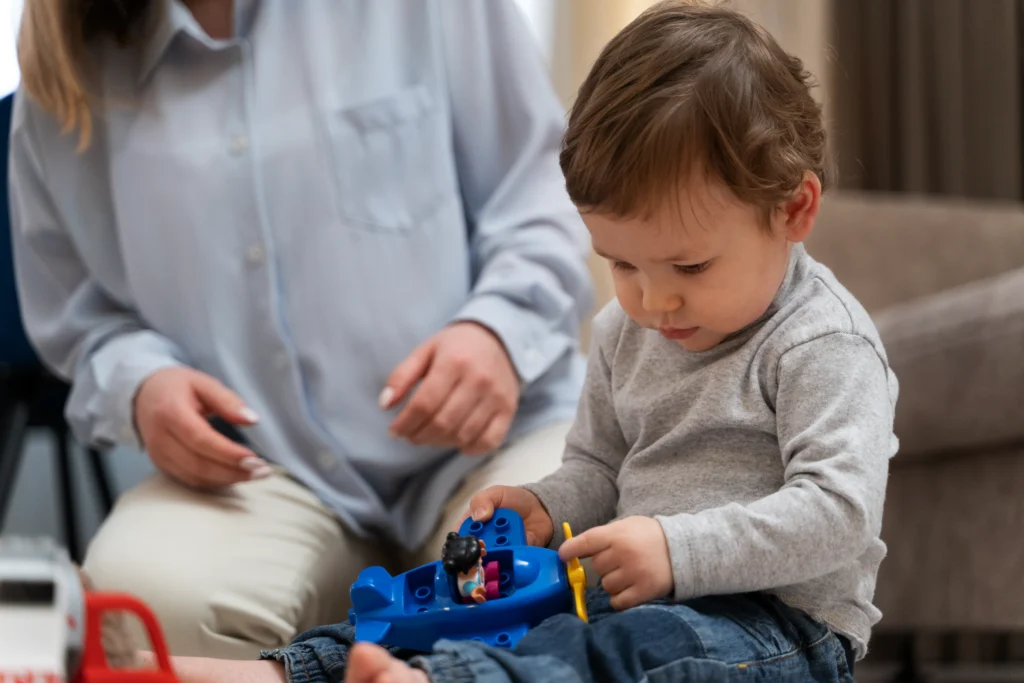
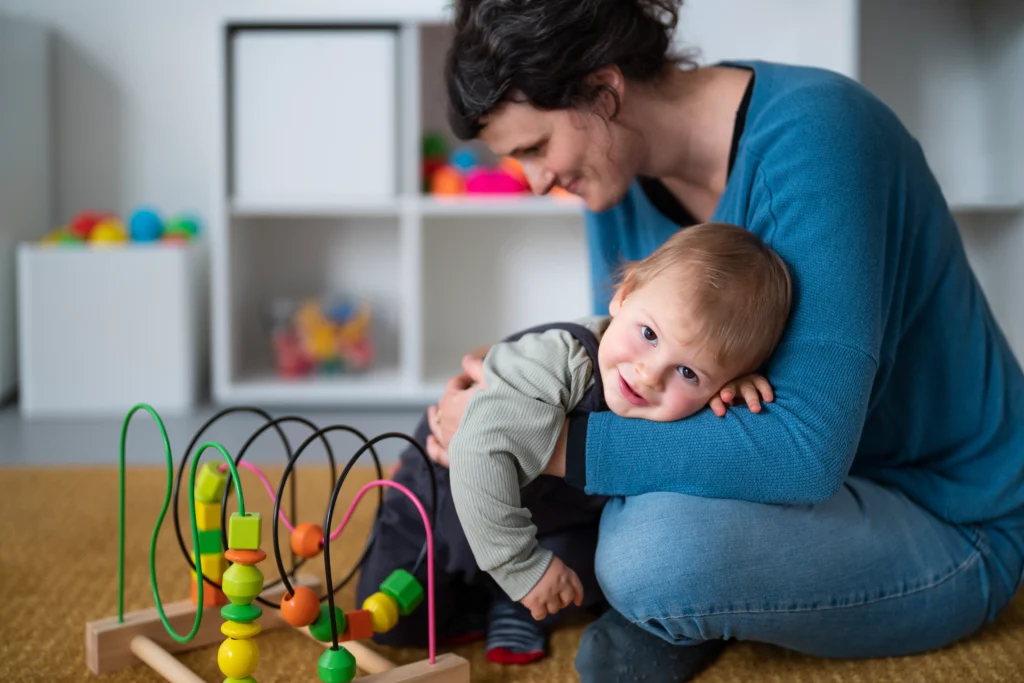
During a child’s first session of Applied Behavior Analysis (ABA) therapy, the interaction between the therapist and the child plays a crucial role in establishing a foundation for future sessions. Therapists utilize a variety of engaging activities and strategies tailored to the child’s interests in order to foster a sense of comfort and connection. It’s essential for the therapist to create an inviting atmosphere where the child feels secure and open to participating.
Therapists often incorporate play-based techniques to initiate interaction. For example, they may use toys, games, or art materials that the child enjoys, allowing for spontaneous dialogues and natural learning opportunities. This approach not only helps build rapport but also encourages the child to express themselves in a relaxed environment. The therapist’s actions and responses are carefully designed to motivate the child to engage, promoting positive reinforcement for desired behaviors.
Furthermore, visual aids and structured activities can help guide the session. Therapists might employ visual schedules or picture cards to enhance communication, particularly for children who may have difficulty verbalizing their needs. This method allows the child to anticipate what comes next and actively participate in the process.
As a parent observing the session, it’s important to note how your child responds to different types of engagement. Look for signs of enthusiasm, hesitation, or comfort as these reactions are valuable indicators of how the therapy is progressing. Understanding your child’s engagement level can provide insights into their preferences and any adjustments that may be necessary as therapy continues.
Overall, the interaction between the therapist and child during ABA therapy aims to establish trust and foster an engaging learning environment, making the child feel understood and supported in their developmental journey.
Setting Goals and Expectations
Beginning ABA therapy is a significant journey for both children and their families. During the first sessions, therapists conduct a comprehensive evaluation to establish goals tailored to each child’s unique needs. These goals serve as a roadmap, guiding the therapeutic process and ensuring that interventions are focused and effective. It is crucial that these objectives are not only specific but also measurable, allowing both parents and therapists to track progress over time.
Collaboration between parents and therapists plays a pivotal role in setting these goals. Parents provide invaluable insights into their child’s behaviors, preferences, and routines, which the therapists incorporate into the treatment plan. This partnership ensures that the goals are realistic and aligned with the child’s daily activities and interests, fostering engagement and motivation during therapy sessions.
Progress measurement is an integral component of ABA therapy. Therapists use various assessment tools and techniques to evaluate the child’s development regularly. This could involve observing specific behaviors, skill acquisition, or social interactions, depending on the goals set during the initial evaluation. Regular feedback sessions with parents help maintain open lines of communication, making it easier to adjust therapy goals and strategies in response to the child’s evolving needs.
Parents can expect gradual improvement as children engage in structured activities designed to promote learning and skill development. As therapy progresses, children often demonstrate increased independence and adaptability in various situations. While every child develops at their own pace, consistent effort and a collaborative approach between parents and therapists can lead to significant advancements in the child’s overall progress and well-being.