
What is Applied Behavior Analysis (ABA)?
Applied Behavior Analysis (ABA) is a well-established therapeutic approach centered on understanding and modifying behavior, especially in children with autism spectrum disorder (ASD). At its core, ABA utilizes the principles of behaviorism to enhance socially significant behaviors while reducing those deemed inappropriate or maladaptive. The practice is founded on three critical components: behavior, reinforcement, and the analysis of behavioral patterns.
Behavior, in the context of ABA, refers to any observable action or response by an individual. ABA practitioners conduct thorough assessments to identify specific behaviors of interest, which can include communication skills, social interactions, and self-help skills. Understanding these behaviors allows practitioners to develop effective strategies tailored to each child’s unique needs.
Reinforcement plays a pivotal role in ABA. It involves the application of consequences that increase the likelihood of a desired behavior being repeated. Positive reinforcement, for instance, rewards children when they exhibit appropriate behaviors, thus enhancing motivation and engagement. Conversely, undesirable behaviors may be addressed through strategies aimed at reducing their frequency.
Data collection and analysis are foundational practices within ABA. Practitioners meticulously gather data on the child’s behaviors and responses to various interventions. This data-driven approach informs ongoing assessments and modifications to treatment plans, ensuring they remain effective and individualized. Such rigorous methodologies establish ABA’s credibility as a scientifically validated practice.
Historically, ABA gained recognition in the mid-20th century and has evolved significantly since then. Initially rooted in laboratory research on behavior, it has transitioned to a widely accepted practice in educational and therapeutic settings for children with autism. As research continues to expand, ABA stands as a crucial component in the quest for effective interventions tailored to individuals with ASD.
How Does ABA Work?
Applied Behavior Analysis (ABA) is a systematic approach used in the treatment of children with autism, focusing on observable behaviors and the effects of the environment on those behaviors. The practical application of ABA involves several steps. Initially, practitioners observe and measure specific behaviors to establish a baseline. This measurement can identify not only the behavior itself but also its frequency, intensity, and context, which are crucial for developing effective interventions.
Once data has been collected, the next step is identifying the function of the behaviors in question. This analysis helps to determine whether a behavior is a means of communication, a response to sensory stimulation, or a way to escape from an unpleasant situation. Understanding the purpose behind behaviors allows practitioners to tailor their interventions effectively, ensuring that the approaches chosen are relevant and beneficial for the child.
Interventions in ABA can include various strategies, such as Discrete Trial Training (DTT), Natural Environment Teaching (NET), and the use of reinforcement techniques. DTT involves breaking down skills into smaller, manageable steps and teaching them in a structured manner. For example, when teaching communication skills, a child might be prompted to request for a toy before being given it, reinforcing the use of verbal language.
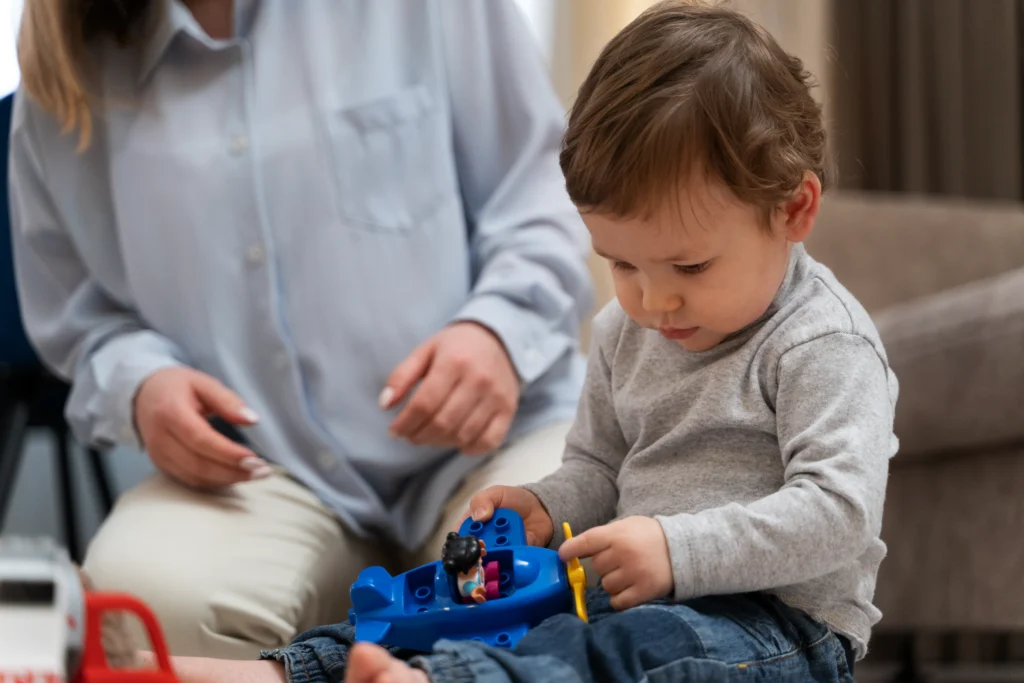
On the other hand, NET utilizes everyday situations to teach and reinforce skills naturally. If a child shows interest in a toy during play, the practitioner may encourage them to use language to express that interest. Reinforcement plays a vital role in both methods. Positive reinforcement can include verbal praise, tokens, or even physical items, contingent upon the display of desired behaviors. Through these systematic and insightful approaches, ABA provides a framework for teaching valuable skills, reducing challenging behaviors, and enhancing overall development for children with autism.
Benefits of ABA for Children with Autism
Applied Behavior Analysis (ABA) therapy has demonstrated profound effectiveness in helping children with autism develop essential skills and improve their overall quality of life. Numerous studies have substantiated its advantages, particularly in enhancing communication abilities, social interactions, and functional capabilities.
One of the primary benefits of ABA is its ability to foster communication skills in children with autism. By employing structured teaching methods, ABA encourages children to express themselves effectively, allowing them to engage more meaningfully with their peers and caregivers. For instance, a study published in the Journal of Autism and Developmental Disorders found that children receiving ABA therapy showed significant improvements in their verbal and non-verbal communication skills, leading to more successful social interactions.
Moreover, ABA has been effective in developing social skills among children with autism. Through targeted interventions, children learn essential social cues and behaviors, enhancing their ability to make friends and maintain relationships. Families often share transformative experiences; for example, one parent reported that their child, who once struggled with initiating conversations, became more confident in engaging with other children after undergoing ABA therapy.
Additionally, ABA contributes to functional independence by teaching daily living skills such as self-care and organization. Achievements in this area can substantially boost a child’s confidence and autonomy. Testimonials from parents frequently highlight the progress their children make in performing routine tasks, showcasing the practical impacts of ABA on their daily lives.
Despite some common misconceptions, ABA is a scientifically validated approach that prioritizes positive reinforcement and individualized strategies. It is natural for parents to have concerns about the methods used in ABA; however, its goal is to enhance each child’s potential, making it a valuable tool in addressing the challenges faced by children on the autism spectrum.
Why is ABA Effective?
Applied Behavior Analysis (ABA) has demonstrated substantial success in aiding children with autism, largely attributable to its rigorous scientific principles and individualized approaches. At its core, ABA centers around the systematic application of behavioral techniques and principles derived from the study of behavior and learning. This data-driven methodology allows practitioners to gather and analyze quantifiable data, which provides insights into a child’s progress and the efficacy of specific intervention strategies.
One of the most compelling aspects of ABA is its emphasis on individualization. Each child with autism presents a unique combination of strengths and challenges, necessitating a tailored approach to treatment. ABA practitioners assess each child’s specific needs and create customized intervention plans that focus on enhancing desired behaviors while reducing challenging ones. This personalized framework not only caters to the child’s existing capabilities but also adapts as they progress, ensuring continuous alignment with their developmental milestones.
The flexibility of ABA also enables specific techniques to be adjusted based on real-time feedback. By continuously monitoring data and outcomes, practitioners can refine intervention strategies, making necessary adjustments to maximize effectiveness. This responsiveness contributes to the overall success of ABA as children exhibit diverse reactions to various approaches.
Moreover, the role of qualified practitioners cannot be overstated. Trained professionals employ their expertise to implement ABA interventions effectively, ensuring quality and consistency throughout the therapy process. The collaborative nature involving families further enhances ABA’s effectiveness; by fostering open communication and involving parents in the therapeutic journey, families can reinforce learned behaviors in everyday settings, thus generalizing skills across environments.
In conclusion, the scientific grounding, individualized treatment plans, adaptability, and collaboration with families collectively underpin the effectiveness of ABA in supporting children with autism.